Research
Mindstep has a long-standing partnership with the University of Glasgow, supporting research at the Suicidal Behaviour Research Laboratory (SBRL), led by renowned Professor Rory O’Connor.
Since its establishment in 2019, the Mindstep Foundation Fellowship has funded over £200,000 of suicide prevention research at SBRL. Thanks to our supporters, in 2025 we were able to commit to raising a further £100,000 over the next two years. Find out more about our key research areas below.
Key Research Areas
-
The Mindstep Foundation has been supporting research into the factors associated with suicide risk.
Using the Integrated Motivational-Volitional (IMV) Model, the Mindstep Fellows have advanced our understanding of the factors associated with suicide risk in clinical samples of people who are hospitalised following self-harm. Applying frameworks such as the IMV model to further understanding of self-harm might assist in the development of targeted psychological interventions to reduce risk of repeat self-harm or suicide.
The studies have also focussed on the role of perfectionism among university students and the associated suicide risk. The findings featured in ‘Preventing and Responding to Student Suicide: A Practical Guide’ by S.Mallon and J.Smith.
-
Mindstep supported research exploring why suicide risk is higher among people with ADHD symptoms.
The study highlights that feelings of defeat, entrapment, and being a burden play a significant role, and that mental imagery may help distinguish those experiencing suicidal thoughts from those who go on to attempt suicide.
These findings could help clinicians identify and intervene with individuals at highest risk, providing a stronger basis for targeted support and prevention.
Read the full study here.
-
The Mindstep Fellows are also working to improve suicide risk assessment and treatment planning by developing material to help clinicians incorporate knowledge of suicidal behaviour into clinical assessment. The research has resulted in recommendations for practitioners.
You can read the chapter ‘On Suicide Risk: From Psychological Processes to Clinical Assessment and Intervention’ here.
-
Together with Samaritans and Scottish Association for Mental Health, the Mindstep fellowship is supporting the UK COVID-19 Mental Health & Wellbeing Study, which has been tracking the effect of COVID-19 on the mental health of the UK adult population since March 2020.
The research has shown that young people, those with pre-existing mental health problems and those from more disadvantaged backgrounds have consistently reported higher levels of suicidal thoughts than other groups during the pandemic.
The study is the most detailed examination to date of the mental health and wellbeing of the UK adult population. The research findings have been published for the first and second Covid wave. You can also read the research on the association between Covid infection and poorer mental health, as well as the relationship between information seking, mental health and loneliness.
-
The Mindstep Fellows have also conducted a systematic review of the impact of Infectious Disease-Related Public Health Emergencies on Suicide, Suicidal Behavior, and Suicidal Thoughts.
This review has helped to understand suicide risk during the COVID-19 pandemic by reviewing research from past pandemics. You can read the full review here.

Depression - It’s really not all in the mind
In 2024, Mindstep supported The Foundation for Young People’s Mental Health (YMPH) to produce ’Depression – It’s really not all in the mind.’
The report looks at the causes of depression, from everyday stress and diet to social pressures, and shares practical ways for young people, families, and communities to reduce risks and get support.
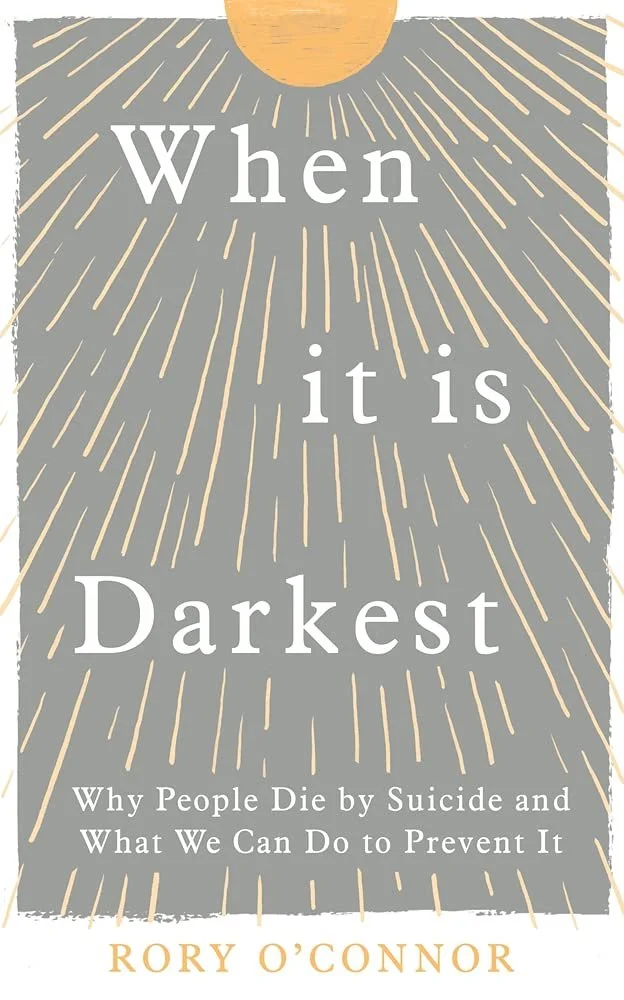
In 2021, Rory O’Connor published When it is Darkest, exploring why people die by suicide and how we can prevent it.
Drawing on decades of research, the book offers guidance for supporting vulnerable people and finding strength after loss.